
Redefining Blue Economy through Sustainable Harnessing of Fisheries in the Exclusive Economic Zone Rules,2025
Author- Ayushi Gupta, Associate
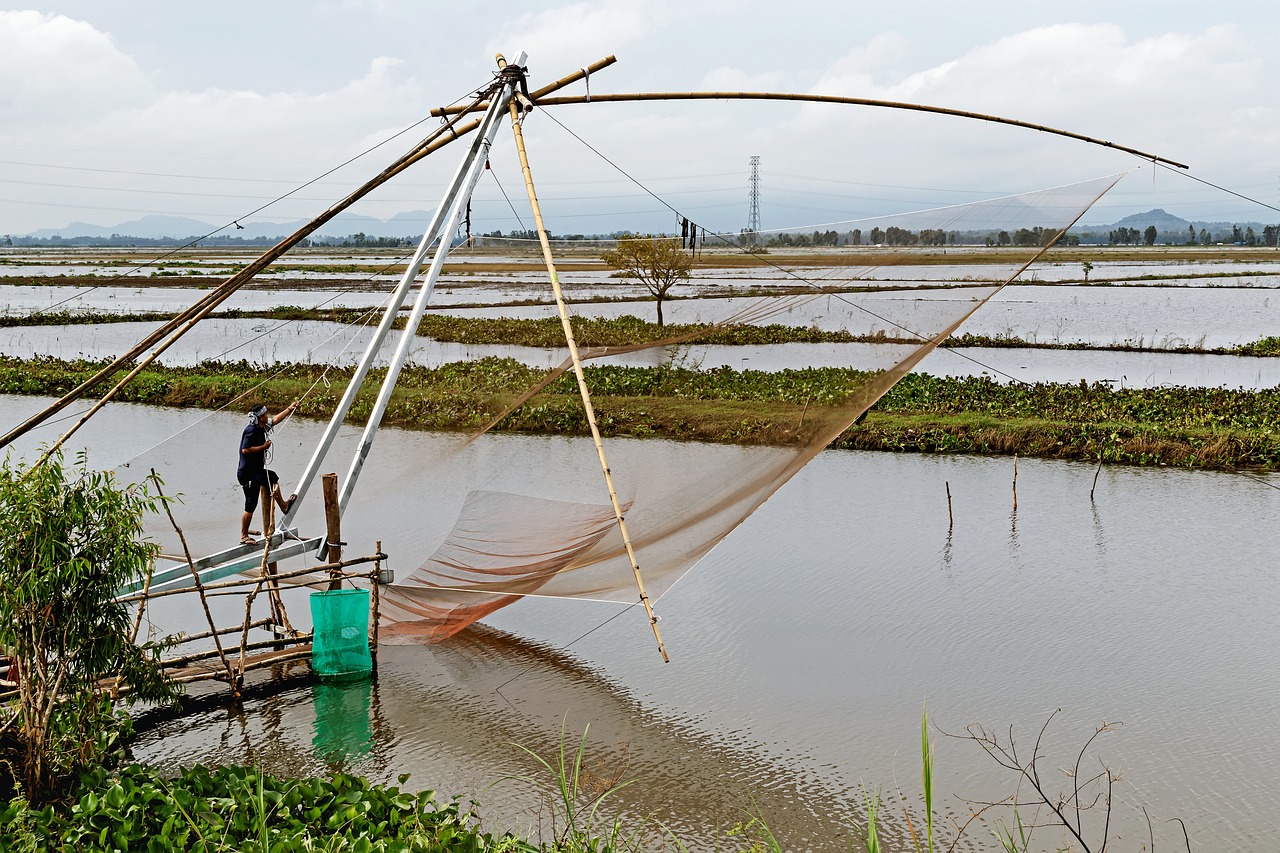
On 4th November 2025, the Government of India notified the Rules for Sustainable Harnessing of Fisheries in the Exclusive Economic Zone (EEZ)” (‘Rules’) under the Territorial Waters, Continental Shelf, Exclusive Economic Zone and other Maritime Zones Act, 1976. These Rules are aimed at ensuring sustainable fisheries within the Indian EEZ and the High Seas, with special attention to the Andaman & Nicobar and Lakshadweep Islands. This is in line with the commitment undertaken by the Government of India in the Budget of 2025-26, wherein it was announced that there is a need to uplift the marine sector in India. The Rules restrict harmful fishing practices, encourage fishing cooperative societies and promote sustainable fishing practices.
Indian Rules vis-à-vis WTO Framework
On the global front, the WTO Agreement on Fisheries Subsidies (‘Agreement’) entered into force on 15th September 2025 and has since been ratified by 116 members of the WTO. India, however, has not yet ratified the Agreement. As a developing nation, India has consistently advocated for the principles of common but differentiated responsibilities and the principle of polluter pays. Further, India has also emphasised that countries with a history of high fisheries subsidies and large-scale industrial distant-water fishing should bear a greater obligation to reduce subsidies and help restore global fish stocks.
Over the years, India has stressed on the need for respecting the sovereign rights of member states to manage fisheries sustainably within their own EEZs, as enshrined in the United Nations Convention on the Law of the Sea. While India has continued to engage in negotiations at the WTO and other international forums, its focus remains on its domestic goal of supporting and developing its own small-scale fishers and equipping them with digital standards.
In view of this goal, the Government of India has enacted the EEZ Fisheries Rules. These Rules are aligned with international standards and India’s global commitments under the FAO Code of Conduct for Responsible Fisheries, 1995, the United Nations Sustainable Development Goal 14 (Life Below Water), the United Nations Fish Stocks Agreement and the United Nations Convention on the Law of the Sea.
Salient features
The Rules seek to regulate fishing in the EEZ and promote sustainable, scientific, and regulated utilisation of fisheries resources beyond territorial. This agenda is sought to be achieved by emphasizing value addition, robust traceability systems, and internationally recognized certification. The key reforms introduced under the Rules are summarised as below –
- Greater role to cooperative societies
Under the rules, preference is given to Fishermen Cooperative Societies and Fish Farmer Producer Organizations (FFPOs) for undertaking deep-sea fishing operations and managing technologically advanced vessels.
- Mandatory Fish Catch and Health Certificates
The Rules mandate Fish Catch and Health Certificates as a fundamental requirement for accessing international markets. The Catch certificate is issued by the Marine Products Export Development Authority, and it authenticates the origin of the fish in order to prevent illegal, unreported and unregulated fishing. The Health Certificate is issued by the Export Inspection Council and ensures that the fish is safe for human consumption and meets the standards of public safety. mandatory issuance of these certificates would elevate the quality of Indian seafood exports.
- Promotion of sustainable fishing practices
Harmful fishing practices and destructive methods like LED light fishing, pair trawling, and bull trawling have been prohibited. Simultaneously, eco-friendly mariculture practices such as sea-cage farming and seaweed cultivation are encouraged to ensure the sector’s sustainable viability. Further, the Rules also require the Government to undertake Fisheries Management Plans in consultation with all stakeholders to restore the declining fish stocks.
- Securing the supply chain
In an attempt to further streamline the supply chain, the Rules allow for efficient mid-sea transshipment under an effective RBI-monitored mechanism by introducing the concept of ‘Mother and Child vessel’. Under this system, the fish can be transferred mid-sea, from a child vessel to mother vessel, which would reduce the need for small vessels to frequently return to port for refuelling and replenishing supplies. The Rules also require mandatory operation of transponders to ensure safer navigation.
- Enhanced digitalization
To increase transparency and to ensure smooth operations, the Rules emphasize the need for increased digitalization by way of Access Passes. All mechanized and large-sized motorized vessels are mandatorily required to get an Access Pass, which can be obtained through the online ReALCRaft (Registration and Licensing of Fishing Craft) portal. The identification of the fishermen and fishing vessels applying for the pass would be verified through mandatory use of QR coded Aadhaar Cards and Fishers ID Card. Further, small-scale fishermen are not required to obtain the pass, in order to enable their overall development. To
further safeguard the interest of the Indian marine sector, foreign fishing vessels are not allowed to get the access pass to operate in India’s EEZ.
- Securing economic rights over Indian fisheries
In order to retain ownership over fishing activities undertaken in the Indian EEZ, the Rules require that fish originating in the Indian EEZ, beyond the contiguous zone, will be recognized as Indian origin under revenue and customs norms. At present, non-Indian vessels continue to fish in Indian seas and sell the same in the Indian market as imports. By treating such fish as that of Indian origin, they would not be treated as ‘imports’ while landing at Indian ports and no import duties would be payable on the same.
These measures focus on efficiency, security, access, raising income, and exporting high-value species to global markets. While modernizing these systems empower India’s marine fisheries governance, the Rules also encourage cooperative societies and communities, transparency and inclusivity, in order to curb the lawlessness of the high seas.